

The mobile electronics and car audio retail business has gone through multiple waves of transformation, from the boom of analog head units in the 1980s and 1990s to the integration-heavy systems seen in modern vehicles. At its core, the industry still revolves around personalization giving drivers better sound quality, more features, or aesthetic upgrades that factory systems don’t provide. Even as vehicles become more technologically advanced, that desire for customization hasn’t disappeared.

Car stereos do still sell, but the nature of the sale has changed. Traditional single-DIN and double-DIN head units are no longer the default upgrade for every customer because many newer cars come with integrated infotainment systems. However, there remains a strong market for older vehicles, base-model trims, and enthusiasts who want more power, clarity, or advanced features like wireless connectivity and high-resolution audio.
In fact, one of the biggest drivers of current sales is the aging vehicle fleet in the United States. With the average car on the road now over 12 years old, there’s a large installed base of vehicles that lack modern features like Bluetooth, Apple CarPlay, or Android Auto. This creates consistent demand for aftermarket upgrades, even if the market is no longer as explosive as it once was.
Another important revenue stream comes from system upgrades rather than full stereo replacements. Amplifiers, subwoofers, DSPs (digital signal processors), and speaker upgrades are often easier to install in modern vehicles without interfering with factory systems. Retailers who adapt to this shift tend to perform better than those relying solely on head unit sales.

Window tinting is often paired with car audio because it complements the same customer base. It offers higher margins, quicker turnaround, and less dependency on vehicle-specific electronics. For many shops, tinting can provide stable cash flow while more complex audio installations fill in higher-ticket jobs.
However, opening a car stereo and window tint shop in the U.S. comes with significant challenges. One of the biggest pitfalls is the increasing complexity of vehicle electronics. Modern cars often integrate climate control, safety systems, and infotainment into a single interface, making aftermarket modifications more difficult and time-consuming.
Another risk is shrinking margins due to online competition. Customers frequently research products online and may attempt to price-match or bring in their own equipment. This puts pressure on retailers to differentiate through service quality, installation expertise, and warranty offerings rather than relying on product markup alone.

Labor is also a major factor. Skilled installers are difficult to find and retain, and poor installation can quickly damage a shop’s reputation. Unlike retail-only businesses, car audio shops depend heavily on craftsmanship, which introduces variability and operational risk.
Regulatory considerations can also pose challenges. Window tint laws vary by state, and non-compliant installations can lead to fines or liability issues. Additionally, certain municipalities may have zoning restrictions or noise ordinances that affect shop operations.
Startup costs can be higher than expected. Beyond inventory, shops require specialized tools, fabrication equipment, demo boards, and showroom space. Building a professional-looking retail environment is crucial for customer trust but adds to the initial investment.
Customer expectations have also evolved. Many consumers expect seamless smartphone integration, factory-like finishes, and quick turnaround times. Meeting these expectations requires both technical expertise and efficient workflow management.

On the positive side, the industry still benefits from a passionate enthusiast base. Car audio culture remains strong, especially in segments like bass competitions, custom builds, and off-road vehicle upgrades. Shops that tap into these communities can build loyal customer bases and strong word-of-mouth marketing.
Diversification is often key to success. In addition to audio and tint, many successful shops offer services like alarm systems, remote start, dash cameras, lighting, and even vehicle wraps. This broadens revenue streams and reduces reliance on any single category.
E-commerce integration is another opportunity. Shops that combine local installation services with online sales can reach a wider audience while still leveraging their installation expertise as a competitive advantage.
Now, regarding the top car audio brands, several stand out consistently due to performance, innovation, and reputation. Pioneer is widely respected for its head units, offering reliable performance, intuitive interfaces, and strong compatibility with modern smartphone features.
Alpine is known for premium sound quality and high-end system integration. It often targets enthusiasts who want superior audio performance and is recognized for its engineering quality and clean sound signature.
JL Audio dominates in the subwoofer and amplifier space. Its products are known for exceptional build quality and deep, accurate bass, making it a favorite among serious audio enthusiasts and custom installers.
Kenwood (including its Excelon line) offers a strong balance between performance and value. It’s particularly popular for feature-rich head units and dependable overall system components.
Rockford Fosgate has a long-standing reputation in the industry, especially for powerful amplifiers and subwoofers. Its brand identity is closely tied to high-output systems and durability.

Each of these brands maintains its position through a combination of consistent product quality, dealer support, and brand recognition. They invest in R&D, maintain strong distribution networks, and cater to both entry-level and high-end segments.
In conclusion, while the car stereo retail business is no longer as straightforward as it once was, it is far from dead. Success today depends on adaptation embracing integration challenges, focusing on installation expertise, diversifying services, and building a strong local reputation. For those who approach it strategically, it can still be a viable and even rewarding business.

In-Dash DVD Players


Mobile Video & Navigation
Tview 15.4″ Wide Screen LED Flip Down Monitor (Gray) T1588IRGR


DJ & Club Gear


Home Theater


Antennas & Antenna Adaptors
Naxa HDTV/ATSC High powered amplified motorized outdoor antenna NAA350


Mobile Video & Navigation
Tview 14″ Flip Down Monitor with built in DVD IR/FM trans Gray T144DVFDGR


In-Dash DVD Players


In-Dash Multimedia System
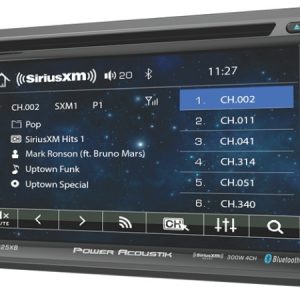
5” TFT Touch Screen DVD/VCD/CD/MP3/CD-R/USB/ AM/FM/Bluetooth and Screen Dial Pad (RBPLD51MUBT)


Installation Accessories


Mobile Video & Navigation
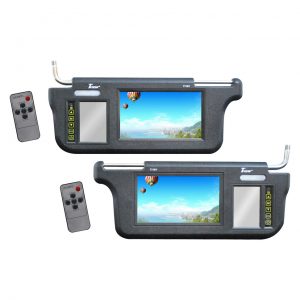
Tivew 7″ Sunvisor Monitor driver and passenger side Black T73SVBK

In-Dash DVD Players


Amplifiers / Receivers
2-Channel Compact Stereo Audio/Headphone Amplifier, (3.5mm / 1/8” Connector) (PHA25)


